Get Septic System Moving in Asheville, NC
Septic system moving services help Asheville property owners relocate or upgrade their systems, solving issues like space constraints, system failure, or property expansion projects.
Planning a septic system move in Asheville, NC, can be a complex project that requires careful coordination and expertise. Property owners often explore this work when making significant changes to their land, such as expanding structures, improving drainage, or preparing for new construction. Ensuring the job is done correctly helps maintain property value and prevents potential issues down the line. If you're considering relocating your septic system, it’s helpful to compare local service providers who specialize in this type of work and understand the specific requirements of properties in the Asheville area.
By exploring options for septic system moving services, property owners can find experienced local contractors equipped to handle the logistics and technical aspects of the project. Whether you're updating your property for future development or addressing existing concerns, connecting with qualified professionals can support your planning process. Keep reading to learn more about the services available and how to identify the right local experts for your septic system relocation needs.
- Septic System Relocation - needed when homeowners in Asheville's West Asheville neighborhood are upgrading or replacing their existing septic systems.
- Septic Tank Moving - required during property renovations or expansions that involve shifting the location of the septic tank on the property.
- Septic System Transfer - necessary when properties in nearby neighborhoods change ownership and the septic system needs to be transferred to new land or property boundaries.
- Septic Tank Installation Removal - needed when old or damaged septic tanks are being replaced or removed from properties in Asheville's Oakley area.
- Septic System Adjustment - called for when modifications are needed to accommodate new landscaping, driveways, or building additions in local residential areas.

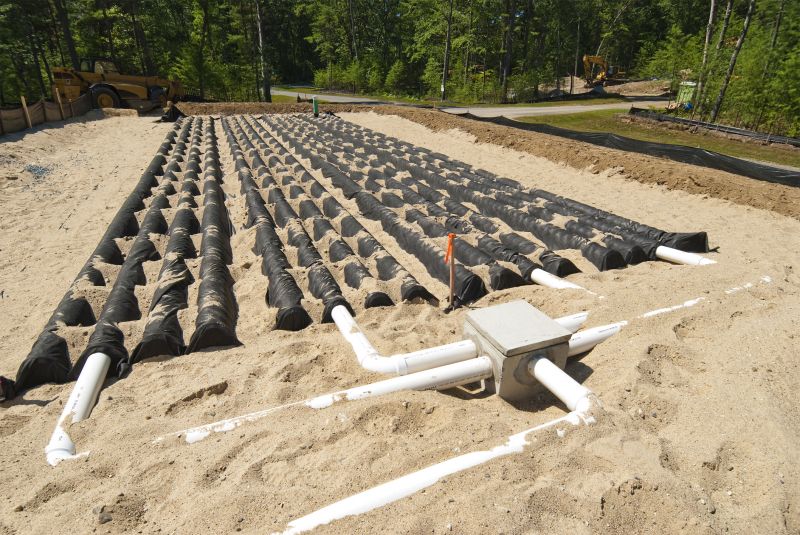
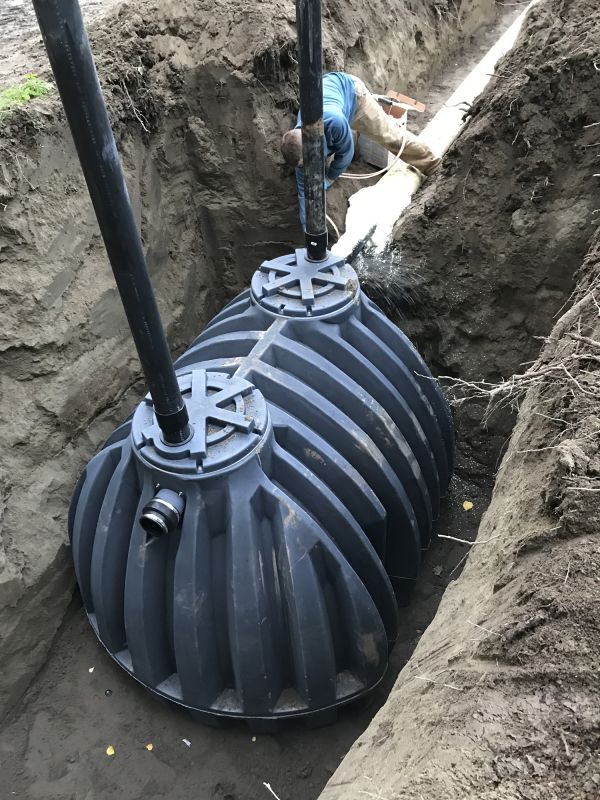
Septic system moving services involve the careful relocation of an existing septic tank and associated components to a new site on a property. This process typically includes disconnecting the system, transporting it safely, and reinstalling it in a different location that better suits the property’s current layout or future plans. These services are essential when homeowners are renovating, expanding their property, or repurposing land that requires the septic system to be repositioned for optimal functionality and compliance with local regulations.
Relocating a septic system helps address a variety of problems that can arise over time. For instance, if the original installation is too close to a new structure, well, or property boundary, moving the system can prevent future issues with access, maintenance, or regulatory compliance. It also becomes necessary when the existing system is failing, damaged, or no longer functioning efficiently, and repair options are limited or impractical. Properly relocating a septic tank can improve system performance, reduce the risk of leaks or backups, and extend the lifespan of the entire wastewater management setup.
This service is commonly used on residential properties, especially those undergoing significant renovations or land development projects. Homeowners with large or changing properties, such as those adding new buildings, decks, or landscaping features, often require septic system moves to ensure the system remains functional and compliant with local health standards. Rural homes, properties with uneven terrain, or sites where the original septic location is no longer suitable are also typical candidates for septic system relocation services. These projects help property owners maintain effective wastewater management without the need for entirely new systems.
When considering a septic system move, it’s important to work with experienced local contractors who understand the specific requirements of properties in Asheville, NC, and surrounding areas. Proper planning and execution are critical to avoiding future problems like system failure, contamination, or regulatory violations. Service providers can evaluate the property, recommend the best new location for the tank, and handle all aspects of the move-from disconnecting and transporting to reinstalling and inspecting the system. This ensures the septic system continues to serve the property efficiently and safely after the move.
The overview below groups typical Septic System Moving projects into broad ranges so you can see how smaller, mid-sized, and larger jobs often compare in Asheville, NC.
In many markets, a large share of routine jobs stays in the lower and middle ranges, while only a smaller percentage of projects moves into the highest bands when the work is more complex or site conditions are harder than average.
Smaller Repairs - Minor adjustments or relocations of septic systems typically cost between $250 and $600. Many routine jobs fall within this range, especially for simple moving tasks or minor repairs. Larger, more complex projects can exceed this range but are less common.
Standard System Moves - Moving a septic system to a different location on the property usually costs between $1,500 and $4,000. Most projects in this category are within this range, depending on site conditions and system size. More involved jobs may push costs higher.
Full System Replacement - Replacing an existing septic system with a new one generally ranges from $3,500 to $7,000. Many homeowners see projects fall into the middle of this range, though larger or custom systems can reach $10,000+ for more complex installations.
Large or Complex Projects - Extensive relocations or custom solutions can cost $7,000 or more, especially when site challenges or system modifications are involved. Such projects are less frequent but can significantly increase overall expenses based on specific requirements.
Actual totals will depend on details like access to the work area, the scope of the project, and the materials selected, so use these as general starting points rather than exact figures.
Septic Tank Excavation - Local contractors who perform septic tank excavation have experience with digging and moving underground systems, similar to septic system relocation projects.
Drain Field Replacement - Replacing or installing drain fields requires planning and site preparation skills akin to those used in septic system moving services.
Underground Utility Installation - Installing underground utilities involves careful planning and excavation, paralleling the skills needed for relocating septic systems.
Foundation Piering and Lifting - Foundation work involves precise excavation and heavy equipment use, comparable to the tools and planning used in septic system moves.
Water Line Relocation - Moving water lines requires excavation and careful coordination, similar to the processes involved in septic system transportation.
Grading and Site Preparation - Preparing a site for construction or landscaping involves excavation and planning skills that are also essential for septic system moving projects.

When selecting a service provider for moving a septic system, it’s important to consider their experience with similar projects in the Asheville area. An experienced contractor will have a clear understanding of the local soil conditions, permitting requirements, and logistical considerations specific to the region. Homeowners can benefit from reviewing the types of projects a contractor has completed in the past, ensuring they have the relevant background to handle the unique challenges that might arise during a septic system move.
Clear, written expectations are essential when comparing local contractors for this type of work. A reputable service provider should be able to provide detailed descriptions of their process, the scope of work, and any materials or equipment involved. This transparency helps homeowners understand what to expect and ensures everyone is aligned on the project’s goals. Clear communication also reduces the chances of misunderstandings and provides a solid foundation for a smooth working relationship.
Reputable references and effective communication are key factors to consider when evaluating local pros. Homeowners can ask for references from previous clients to gain insights into the contractor’s reliability, professionalism, and quality of work. Good communication throughout the process-such as responsiveness to questions and clarity in explanations-can make the entire experience more manageable. It’s important to choose service providers who are open, transparent, and easy to work with, as these qualities often reflect their overall approach to customer service and project management.
Property owners in Asheville, NC use Septic System Moving services for practical projects around their homes and businesses. This guide focuses on everyday jobs and straightforward project options.
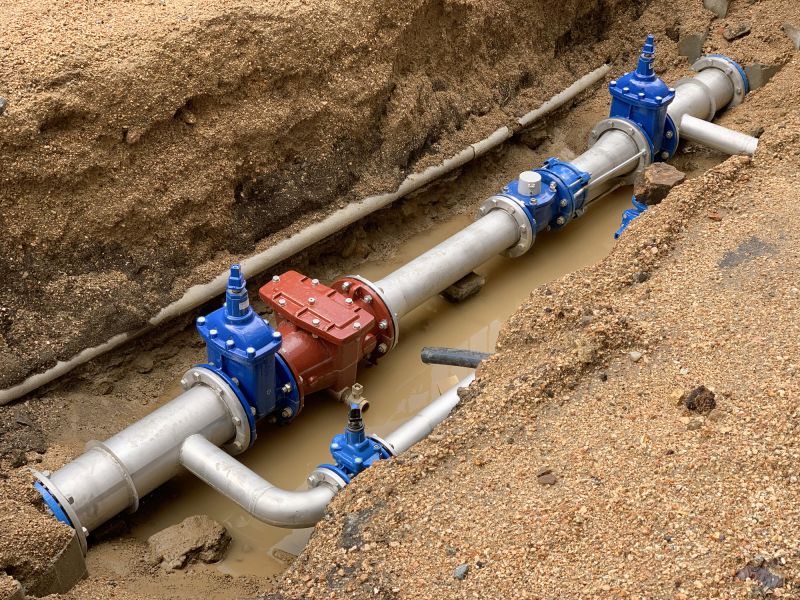
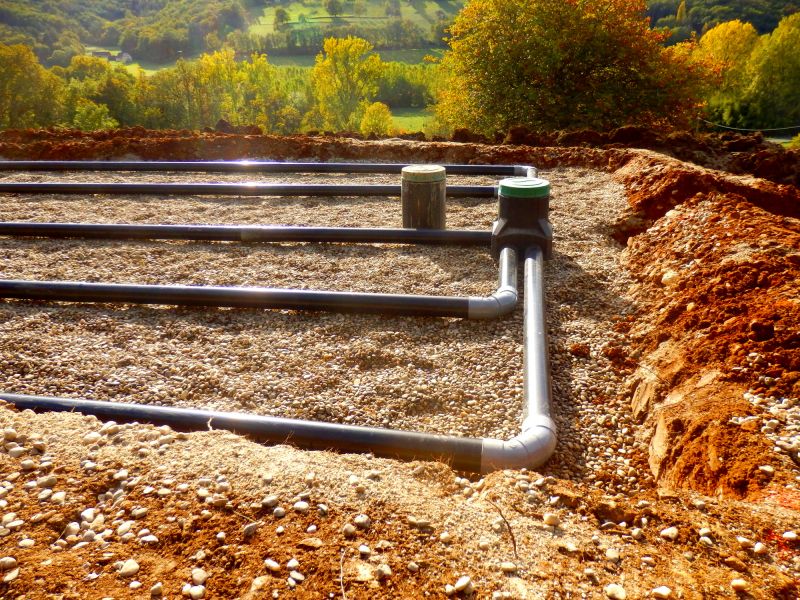
Septic system moving services are often needed when property owners in Asheville, NC are planning renovations, expansions, or new construction projects that require relocating an existing septic system. Whether a homeowner is adding a new garage, building an extension, or preparing for a landscape overhaul, moving a septic system ensures the property remains functional and compliant with local regulations. Local contractors can handle these projects efficiently, helping property owners avoid potential setbacks caused by improperly relocated systems or overlooked site considerations.
In other cases, property owners might seek septic system moving services after discovering issues such as system failure or contamination that require urgent attention. Moving a septic system can also be part of a broader property upgrade, like upgrading to a larger capacity or replacing outdated components. Local service providers are equipped to manage these tasks, offering solutions tailored to the unique terrain and soil conditions of Asheville and surrounding areas. Connecting with experienced contractors can help ensure the work is done correctly and in accordance with local standards.
Why might I need to move my septic system? Septic system moving services are often needed due to property development, site redesigns, or to accommodate new construction projects in Asheville, NC and nearby areas.
What should I consider before relocating a septic system? It's important to evaluate the new location, ensure proper permits are obtained, and work with local contractors experienced in septic system relocation.
Are there different types of septic systems that can be moved? Yes, various types exist, including conventional and alternative systems, and local service providers can advise on the best options for specific site conditions.
How do local contractors handle septic system removal and installation? They typically perform site assessments, coordinate excavation, disconnecting existing systems, and installing new components as needed.
What are common challenges faced during septic system relocation? Challenges may include navigating underground utilities, ensuring proper drainage, and complying with local regulations, which experienced service providers can manage effectively.
Residential property upgrades - Moving a septic system can be part of a larger renovation or expansion project on a property in Asheville, NC, ensuring proper placement for new structures.
Site preparation for new constructions - When building a new home or addition, relocating the septic system helps establish a suitable site layout and compliance with local regulations.
Drainage and landscape improvements - Relocating a septic system may be necessary to improve yard drainage or to create a more functional outdoor space.
Property sales and assessments - Moving a septic system can facilitate property inspections or prepare a site for sale by ensuring the system is properly positioned and functional.
If you are thinking about Septic System Moving for a property in Asheville, NC, this guide is meant to help you understand the work, the typical project types, and how different options might fit your plans.
When you are ready, you can use the quote form on this page to share a few details about your project. From there, local pros can review the basics and respond with options that match what you have in mind.