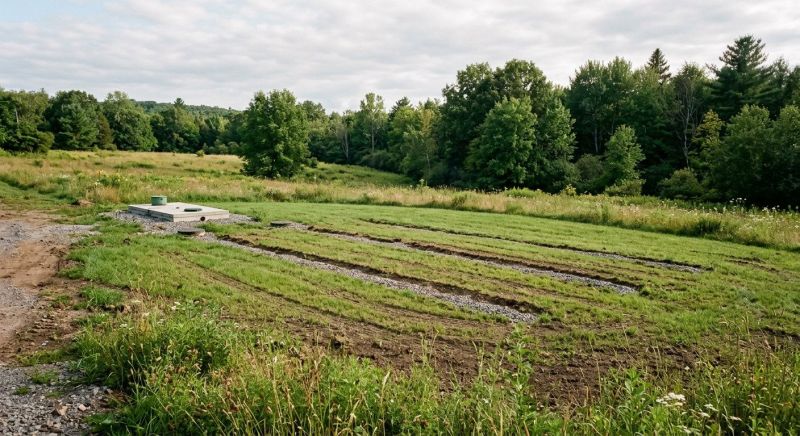
Sewage Field Installation in Denver, CO
Sewage field installation involves setting up a system that safely manages wastewater from a property, typically when a municipal sewer connection is unavailable or unsuitable. This service covers a variety of projects, including new construction sites, property upgrades, or replacements of aging or damaged systems. Homeowners interested in sewage field installation should understand the importance of proper site assessment, soil conditions, and system size to ensure effective and compliant waste management. It is also helpful to consider future property developments or modifications that may impact the system’s design and capacity.
Before requesting sewage field installation, property owners often want to know about the scope of work involved, the necessary permits, and the typical process for installation. Understanding the maintenance requirements and lifespan of the system can also be useful for planning and budgeting. Clear communication about site-specific factors, such as property size, terrain, and existing infrastructure, can help determine the most suitable system type and placement, ensuring reliable operation for years to come.
Many property owners in Denver, CO look into Sewage Field Installation for repairs, replacements, upgrades, and appearance-related improvements.
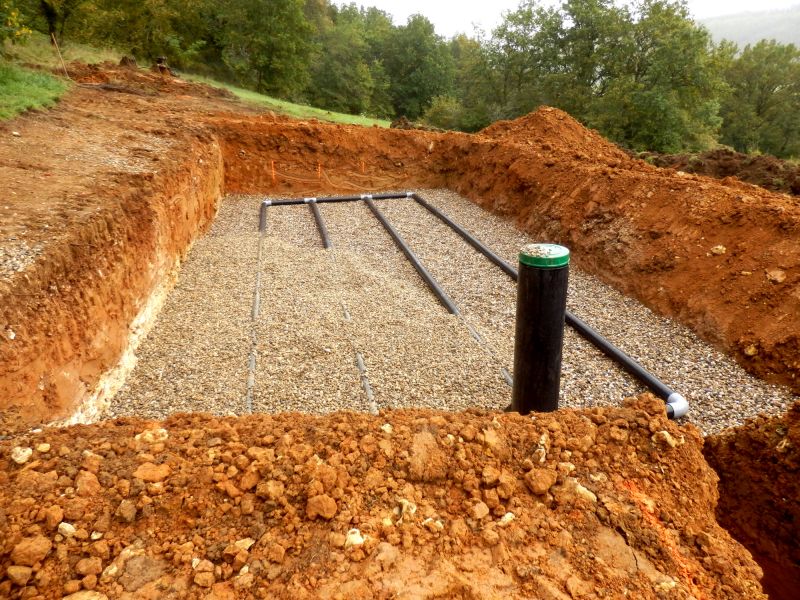
Sewage Field Design And Planning
Proper planning ensures the sewage field meets the specific needs of denver-area properties.
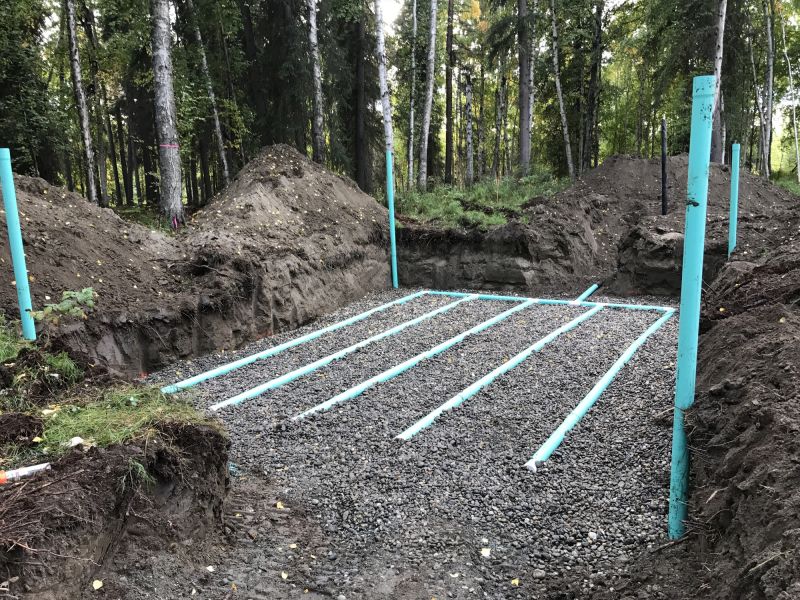
Installation And System Setup
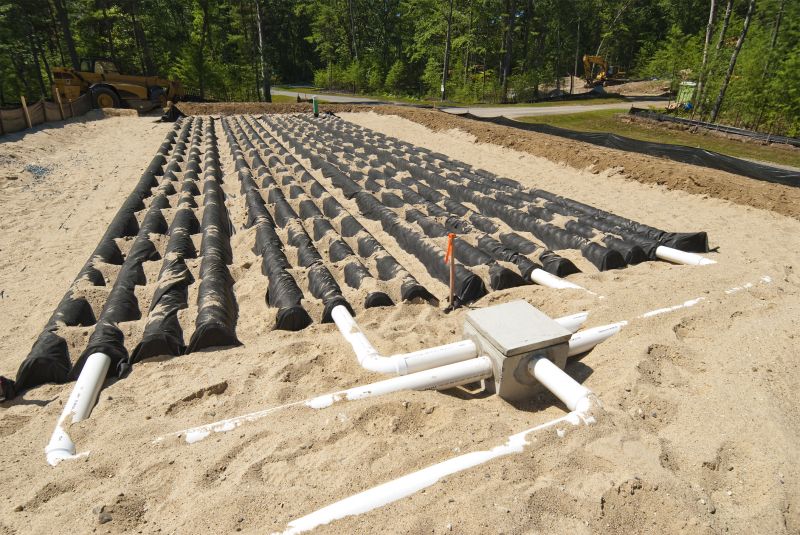
Professional installation involves precise placement to optimize system performance and longevity.
Maintenance And System Repair
Regular maintenance helps prevent issues and extends the lifespan of sewage field systems for homeowners in denver.
Sewage Field Installation in Denver, CO

Sewage field installation involves setting up a system that safely manages wastewater from a property, typically when a municipal sewer connection is unavailable or unsuitable. This service covers a variety of projects, including new construction sites, property upgrades, or replacements of aging or damaged systems. Homeowners interested in sewage field installation should understand the importance of proper site assessment, soil conditions, and system size to ensure effective and compliant waste management. It is also helpful to consider future property developments or modifications that may impact the system’s design and capacity.
Before requesting sewage field installation, property owners often want to know about the scope of work involved, the necessary permits, and the typical process for installation. Understanding the maintenance requirements and lifespan of the system can also be useful for planning and budgeting. Clear communication about site-specific factors, such as property size, terrain, and existing infrastructure, can help determine the most suitable system type and placement, ensuring reliable operation for years to come.
Many property owners in Denver, CO look into Sewage Field Installation for repairs, replacements, upgrades, and appearance-related improvements.
Common Sewage Field Installation Jobs
Sewage Field Installation - Services include designing and installing new sewage disposal systems for residential properties.
Sewage Field Replacement - Replacing outdated or failing sewage fields to ensure proper waste management.
Sewage Field Repair - Repairing damaged or blocked sewage lines to restore system function.
Sewage Field Inspection - Conducting assessments to evaluate the condition and performance of existing sewage fields.
Sewage Field Maintenance - Performing routine upkeep to prevent system failures and extend lifespan.
Sewage Field Expansion - Adding additional capacity to accommodate property expansions or increased usage.
Sewage Field Installation Questions
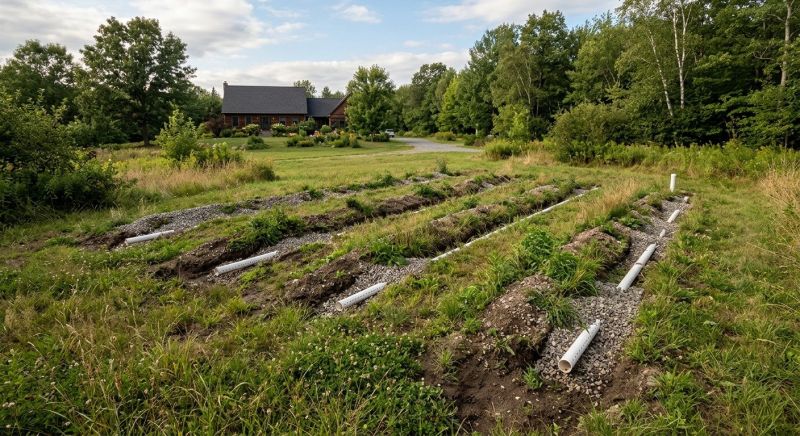
What is sewage field installation? It involves setting up a drain field system to safely treat and disperse wastewater from a property.
When is a sewage field needed? A sewage field is necessary when a property does not have access to a municipal sewer system and requires a septic system.
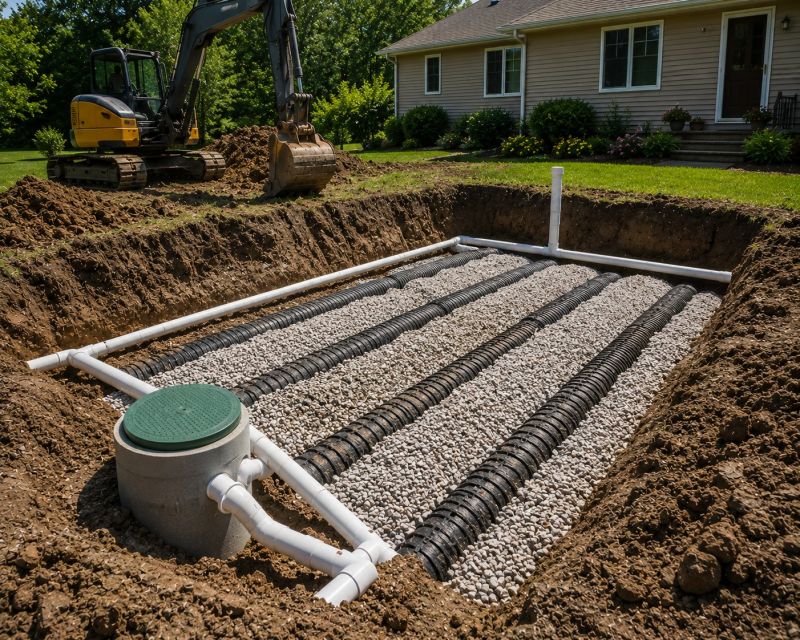
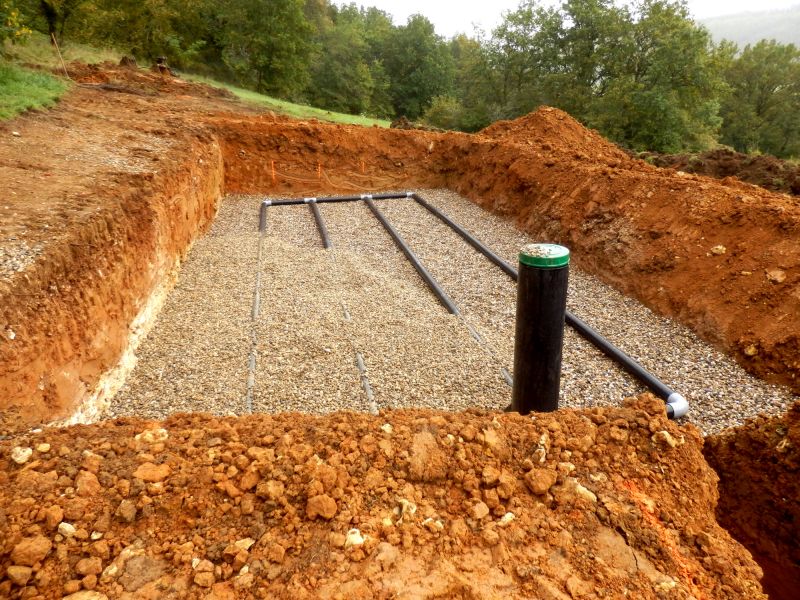
How does the installation process work? The process includes site assessment, excavation, placement of the drain field, and proper connection to the septic tank.
What should property owners consider before installation? It's important to evaluate soil conditions, property size, and local regulations to ensure proper system design and placement.
Request Sewage Field Installation in Denver, CO
Use the quote form on this page to share the basics of your project and request more information for the type of work you need.